Native or Hybrid App? The Big Question
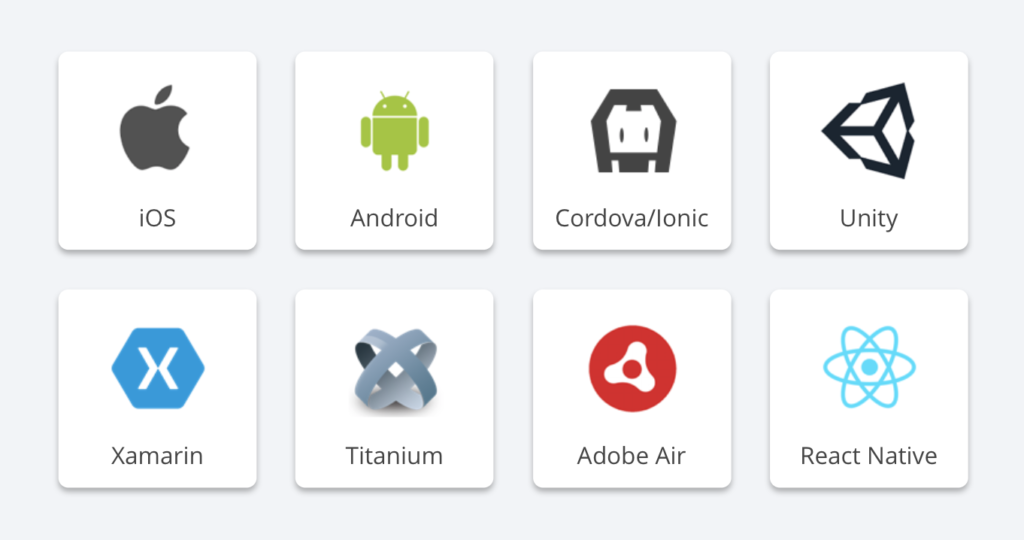
We’ve been going back and forth on this question at work lately: should we build mobile apps natively or use a framework to share code across platforms? There’s no clean answer — it depends entirely on your project.
What kind of project are you building?
That’s the first question to ask. Is it an internal enterprise tool where employees might use either Android or iOS? A consumer app headed to the app stores? The core product that defines your company?
Your answer shapes the decision more than any technical benchmark.
For consumer apps going to the app stores, I wouldn’t hesitate: build native for each platform. You get full access to platform APIs, and for consumer apps the experience — the feel, the navigation, the usability — matters as much as the functionality itself.
For internal enterprise apps, there’s more room to debate. If it’s small and unlikely to change much, native is fine — it won’t take long and maintenance stays manageable. If it’s large and will evolve over time, that’s where cross-platform starts making sense.
Which framework?
If you go cross-platform, the choice of framework matters a lot — switching later means throwing away everything.
The main options:
- PhoneGap / Ionic — essentially web apps wrapped in a native shell. Great if your team comes from web development. The tradeoff: limited API access and a UI that can feel wrong on the wrong platform without careful styling.
- Xamarin — compiles to actual native code. Full access to each platform’s API. Every component you add renders as the native control for that platform, so the UI looks and feels right on both.
On performance, cross-platform native (Xamarin) versus hybrid HTML apps isn’t close:
- Cross-platform native apps load 25% faster than hybrid apps
- They load large datasets 62% faster
- They use 50% less memory on average
- They use 76% less CPU on average
- For CPU-intensive tasks, cross-platform native can be 22x faster (Kevin Ford, Magenic)
So, Xamarin wins? Not so fast.
The catch
Xamarin has a long history, but it hasn’t seen the adoption it deserves. Until recently it required a paid license (Microsoft acquired it and made it free, which helped). The documentation is good, but it’s nowhere near as extensive as native Android or iOS documentation. Stack Overflow coverage is thinner. You’ll hit walls that take longer to get through.
The bottom line
There’s no universal right answer. It depends on the type of project, the team, the timeline, the expected maintenance. What I hope these reflections offer is a framework for thinking it through — not a shortcut past the decision.
Is it an internal tool for mixed Android/iOS users? A consumer app hitting the stores? The flagship product of the company?
Ask those questions first. The technical comparison comes second.