Desarrollo Featured
From looking up documentation to delegating work: a year with AI
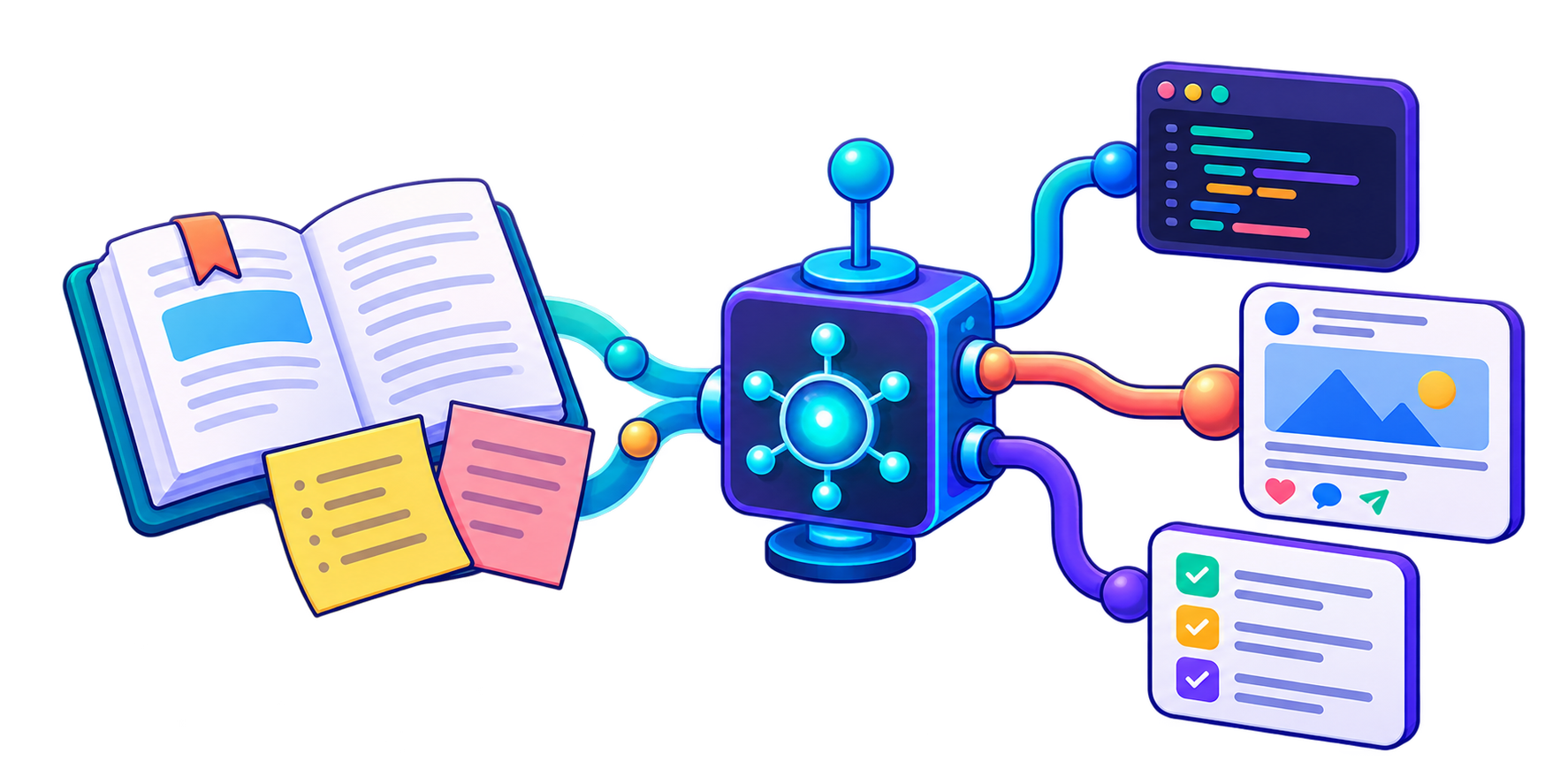
A year ago, I mostly used AI to look things up. Now I delegate entire tasks with it, including work on my personal projects.
4 min read
A year ago, I mostly used AI to look things up. Now I delegate entire tasks with it, including work on my personal projects.

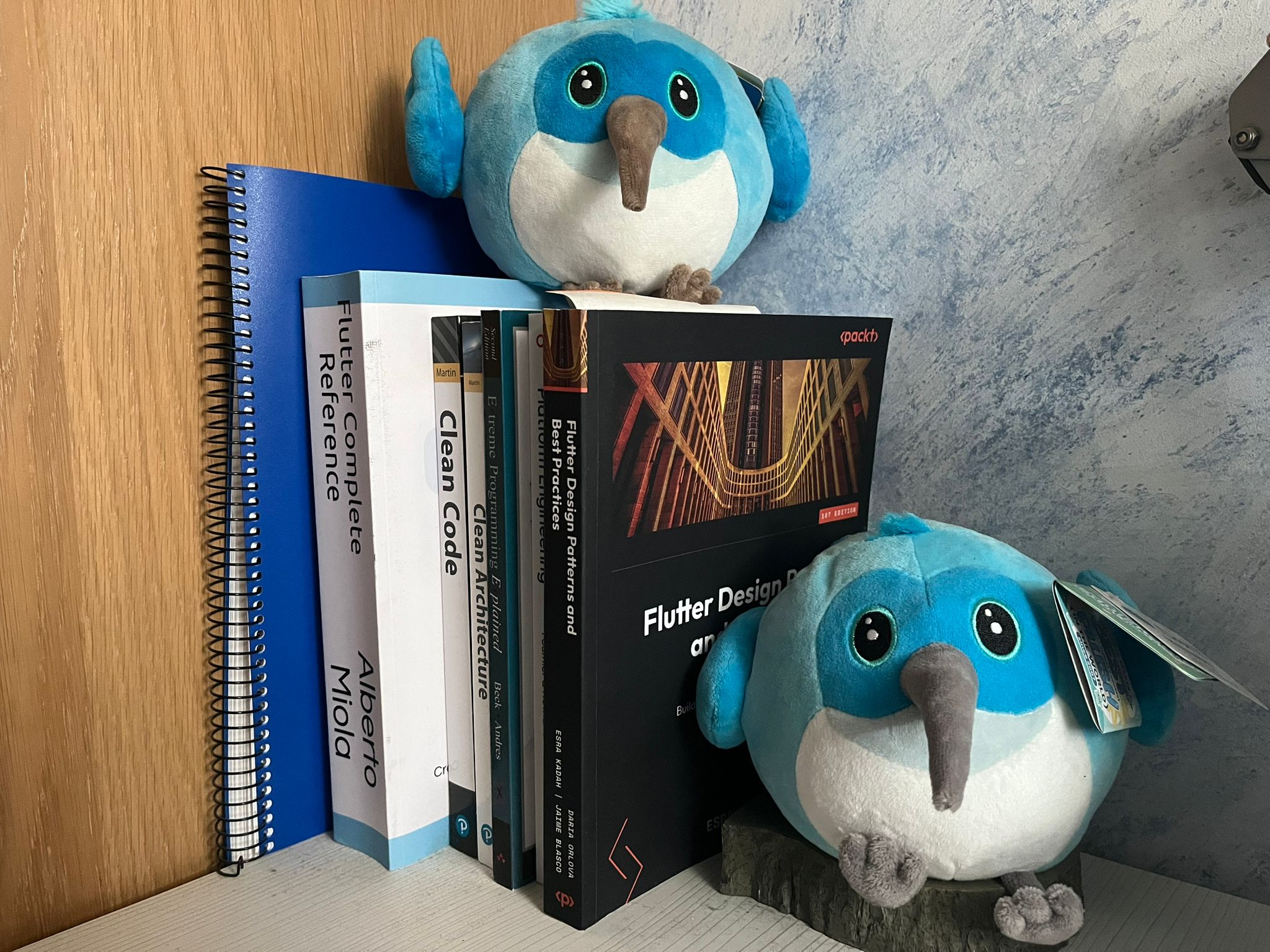
Sometimes the most productive thing is not to keep writing code, but to review the PR that has someone else waiting. A reflection on reviews, blockers, and teamwork.
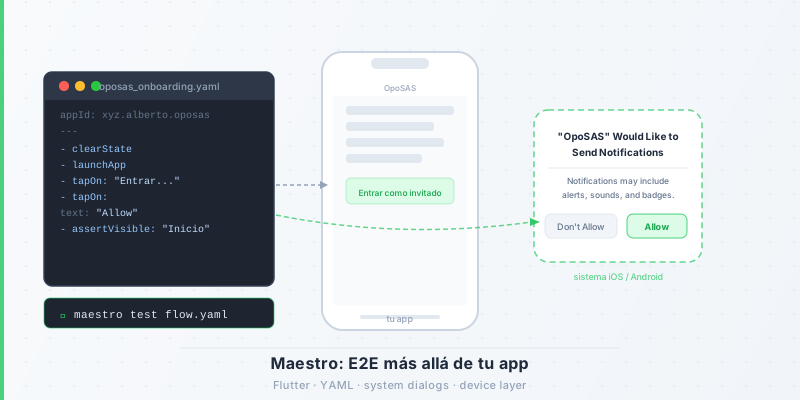
Most E2E testing tools stop at the edges of your app. Maestro doesn't. Here's what it is, how it works, and how I use it in OpoSAS to validate real flows on device.
OpoSAS is an app for preparing Spanish civil service exams: practice tests, per-topic statistics, an AI assistant, and Premium subscriptions. Here's how it's built.
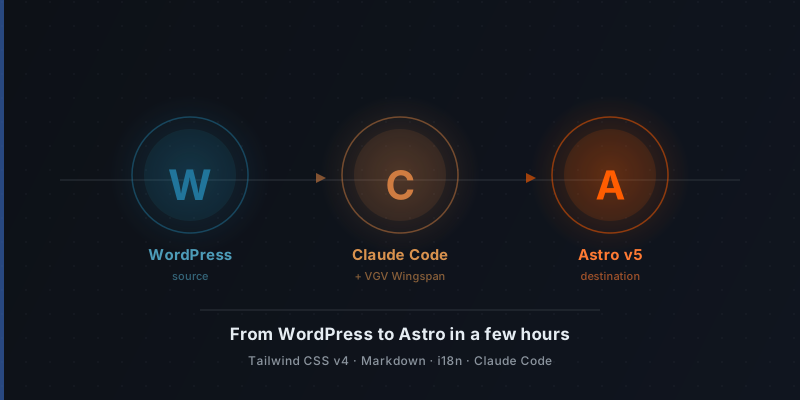
My blog had been on WordPress for years and it worked. But without version control, with a sidebar that fragmented focus, and no reading time on post cards, the time had come to rebuild it from scratch. Here's what happened when I used Claude Code with the VGV Wingspan plugin to plan and build it.
As I mentioned in the post about SOLID principles, we're starting this series with the Single Responsibility Principle — for me, one of the most important principles in software development.
The SOLID principles offer a guide to writing Flutter code that's easier to maintain, extend, and understand. They help you build more robust and scalable applications while reducing bugs and improving collaboration.